The Appeal of Intimate Seating at a Gin Bar NYC
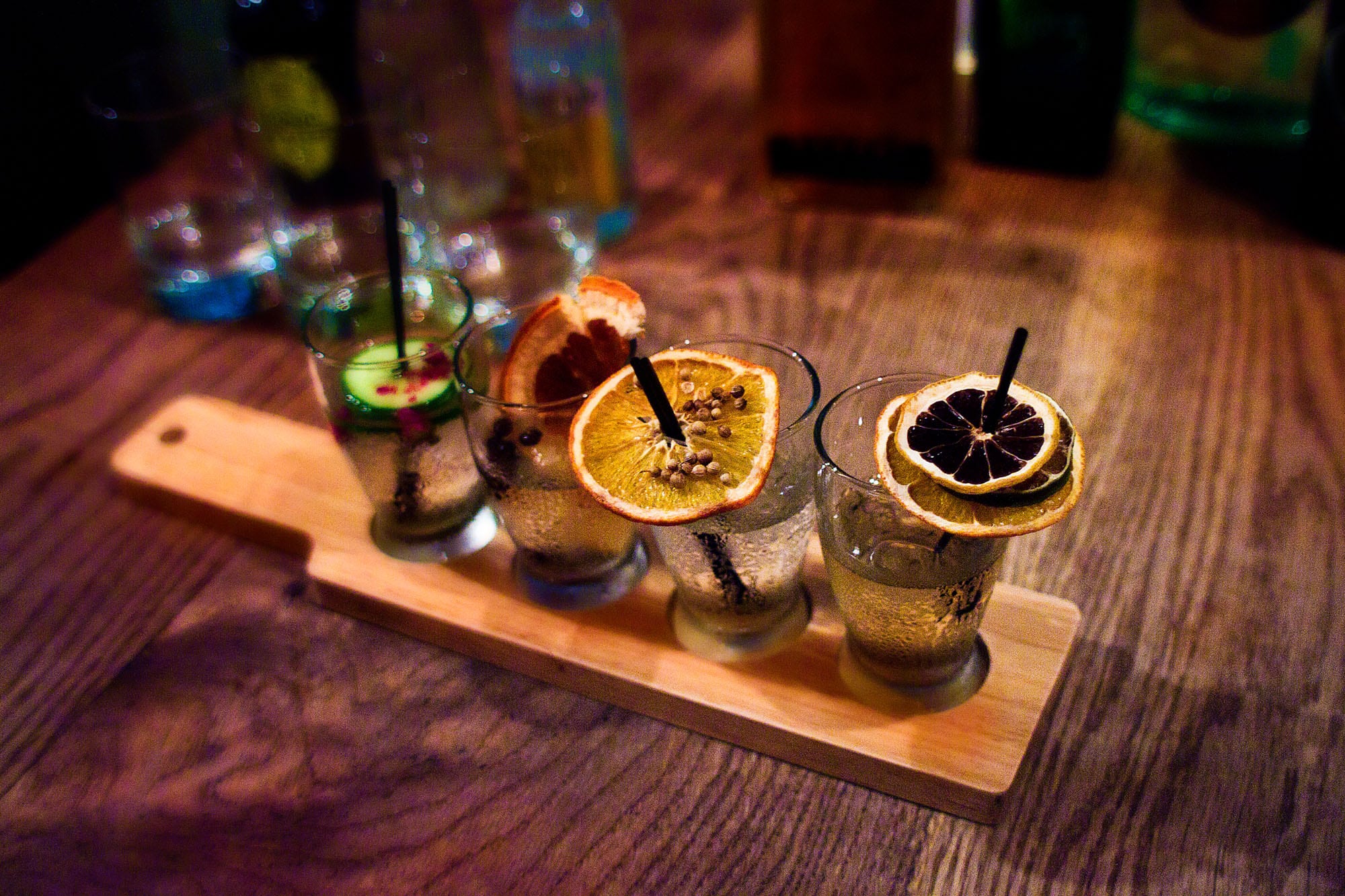
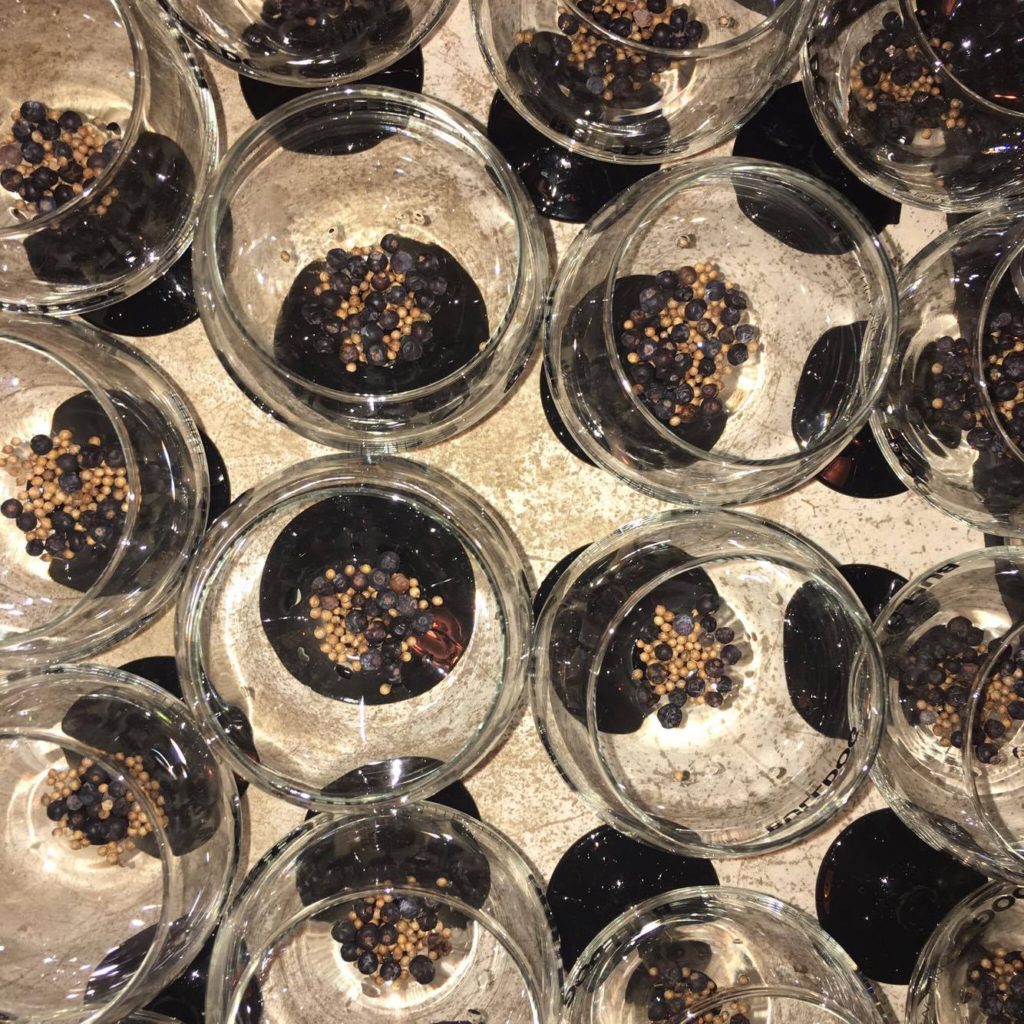
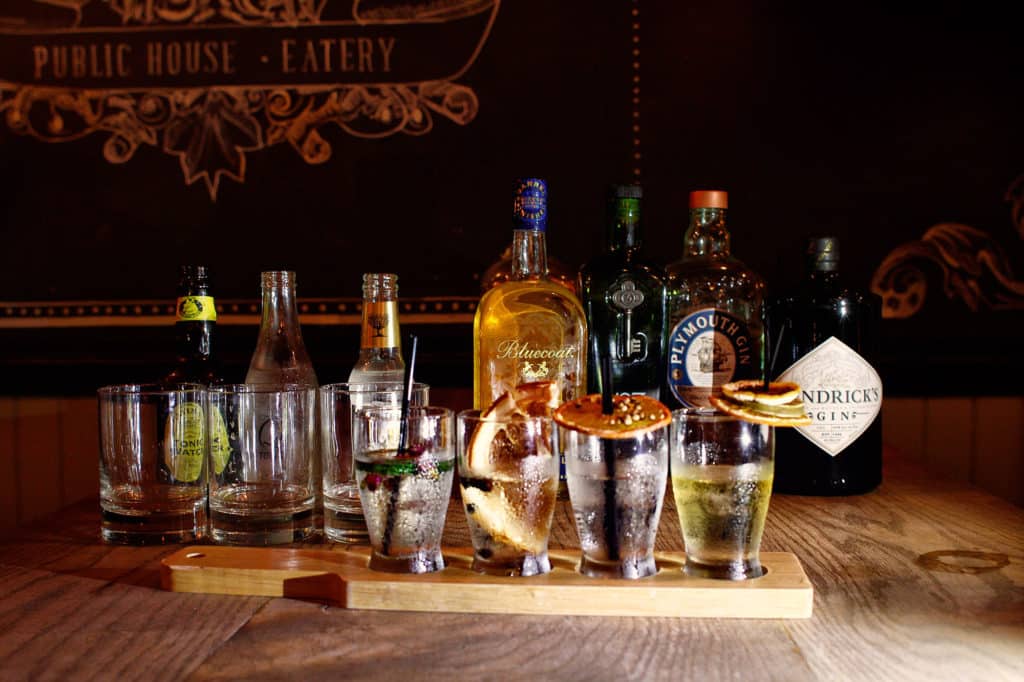
There is a particular kind of satisfaction that comes from sliding into a well-chosen seat at a gin bar. Not just any seat, and not just any bar. The appeal sharpens in New York, where space is scarce, noise can become its own weather system, and the difference between a forgettable round and a memorable evening often comes down to a few feet of distance, the height of a banquette, or the angle of a corner table. At a good Gin Bar NYC regulars return to, intimate seating is not a decorative afterthought. It shapes the pace of conversation, the way aromas rise from the glass, and the sense that, for an hour or two, the city has loosened its grip.
People often talk about cocktails as if the drink alone carries the whole experience. It does not. A martini served in the wrong setting can feel clinical, rushed, almost anonymous. The same drink, served where the room narrows gently around you, where the bartender can read your mood without hovering, and where your companion does not have to lean across a shouting crowd, becomes something else entirely. Intimate seating changes the function of the bar from transaction to occasion.
Why scale matters more than people admit
New York hospitality has always been a negotiation with square footage. Operators need enough seats to make the numbers work, but too many seats, or the wrong arrangement, flatten the room. When every surface is exposed and every voice ricochets, a gin bar loses the elegance that should define it. Gin is aromatic, layered, and often subtle. It rewards attention. So does the setting built around it.
Smaller seating clusters do several things at once. First, they reduce the social performance that louder, more open bars demand. In a tightly packed standing room setup, people tend to speak in broader strokes. Voices rise. Gestures get bigger. Orders get simpler. Guests default to familiar drinks because there is little mental room for curiosity. In contrast, a two-top tucked beside a wall sconce or a short banquette facing the backbar encourages more deliberate choices. Suddenly a guest is willing to ask about the difference between a London dry and a contemporary botanical style, or between a classic martini build and something softer, perhaps with a gentler vermouth ratio.
Second, scale creates emotional permission. Privacy, even partial privacy, makes people stay longer and order more thoughtfully. This Gin Bar NYC is not always obvious from the outside. To some owners, turning tables quickly can look smarter on paper. Yet in practice, the guests who feel comfortable are the ones who settle in for a second drink, maybe a small plate, maybe a nightcap. Intimate seating often lifts check averages quietly because people stop treating the visit like a stopover.
I have seen this play out in bars where only a few layout choices changed the entire room. A row of stools, uninterrupted and exposed to the front door, produced a constant churn. Replace a segment of those stools with two compact tables, shield them slightly with planting or a half partition, and the energy shifted. Guests lingered. Staff conversations became more nuanced. The room sounded less harsh even at similar occupancy.
Gin, of all spirits, benefits from closeness
Not every beverage category depends equally on atmosphere. Beer can thrive amid cheerful chaos. Shots can survive almost anywhere. Gin asks for a bit more. Its appeal is sensory and cumulative. Juniper arrives first, but then citrus peel, coriander, angelica, iris, pepper, lavender, cucumber, rosemary, or dozens of other notes may follow depending on the bottle. Temperature matters. Glassware matters. Garnish matters. Most of all, your ability to pay attention matters.
Intimate seating supports that attention. When the table is at the right height and the room is not pulling your focus apart, you notice the way a lemon expression changes the first sip. You notice whether the tonic is crisp or sweet, whether the ice is holding or collapsing, whether the garnish is decorative or functional. These are not precious observations. They are the practical mechanics of enjoyment.
A proper gin bar also often involves some level of guidance. Guests may know they like gin without knowing why. A thoughtful bartender can bridge that gap, but only if the setting allows for short, relaxed exchanges. In a cramped, high-volume crush, recommendations become efficient and generic. In a more intimate seating arrangement, the bartender has a chance to ask one extra question: Do you like bracing and dry, or softer and floral? Are you looking for something savory before dinner, or brighter and longer for the evening? That one question can transform the drink.
There is another reason gin suits these environments. It carries associations with ritual. The chilled stemware, the polished bottle line, the measured garnish, the restrained confidence of a well-made martini or gin and tonic, all of it benefits from a room that is proportionate. Intimate seating amplifies that ritual without making it formal. That balance is difficult to achieve, especially in New York, where bars often drift toward one extreme or the other, either aggressively casual or almost performatively refined.
The difference between cramped and intimate
This distinction matters. Plenty of places mistake lack of space for charm. They are not the same. Cramped means your chair catches every passing coat, your elbow negotiates with your neighbor’s drink, and the server has to twist sideways every time a round lands. Intimate means the room feels close but not constricting. It gives privacy without making you aware of every inch.
The best bars understand this difference through details rather than slogans. Seat depth matters more than many people realize. Too shallow, and no one settles. Too deep, and posture collapses, which is terrible for both conversation and cocktail handling. Table width matters too. If the table is too small, guests crowd the stemware, water glasses, snack plates, and phones into a cluttered little battlefield. If it is too large, the conversation loses some of its quiet immediacy.
Lighting is part of the same equation. Low light alone does not create intimacy. Bad low light just creates strain. Guests should be able to read a menu, see the clarity of the spirit in the glass, and make eye contact comfortably. The strongest rooms use light to soften edges, not erase visibility. A pool of warm light at the table, with a slightly darker perimeter, has a way of making even a busy room feel composed.
Acoustics complete the picture. Hard surfaces look sharp in photographs, but a room full of glass, tile, and bare wood can become punishing as soon as it fills. Soft seating, curtains, textured walls, and even the angle of the ceiling help more than people think. In well-tuned rooms, guests feel less compelled to compete with the soundtrack or the crowd. That is usually the first sign that intimate seating has been designed rather than improvised.
Why couples, friends, and solo drinkers all respond to it differently
One of the strengths of intimate seating is that it serves different social needs without announcing itself. A date wants a sense of separation from the rest of the room, but not isolation so complete that the evening feels staged. Good gin bars solve this with partial shelter, a corner angle, or a sightline that keeps the room visible while softening intrusion. You are still in New York, still participating in the city’s energy, but you are not consumed by it.
Friends often use intimate seating in a different way. Small-group conversation works best when everyone can hear without taking turns performing. Four people around a compact round table usually generate better talk than the same four lined up at a crowded bar rail. The circle closes the gaps. Drinks remain central, but the social rhythm becomes less fractured. In practice, this is why some of the most successful bar layouts reserve their coziest seating for groups of three or four rather than only for pairs.
Solo guests might benefit most of all. There is a myth that solo drinkers always want to sit directly at the bar. Many do, especially if they enjoy bartender interaction. But a surprising number prefer a small side seat with a clear view of the room. It allows them to read, think, text, people-watch, or simply enjoy a drink without feeling either stranded or on display. In a city that can be relentlessly public, that kind of seat feels luxurious.
A seasoned room can provide for all three modes at once. It might offer a few stools for conversation with staff, a couple of discreet tables for pairs, and one or two side banquettes where small groups can relax into the evening. The point is not maximal variety. It is thoughtful variety.
The architecture of a memorable seat
Some seats are claimed first for obvious reasons, and others prove themselves only after half an hour. The best intimate spots usually combine several practical advantages.
- A slight buffer from the main traffic path
- Enough light to see the drink and the menu
- Acoustic shelter from the loudest part of the room
- Direct or angled sightline to the backbar or bartender
- Table space that accommodates two rounds without clutter
When bars get this right, guests often cannot articulate why they like a particular corner so much. They just ask for it again next time. Hospitality professionals notice the pattern quickly. Certain seats produce longer stays, more second rounds, and fewer guest complaints. The data may not appear glamorous, but it confirms something intuitive: comfort drives confidence, and confidence improves the entire bar experience.
There is also a subtle issue of control. Guests want to feel they can calibrate how visible they are. A table in the dead center of the room offers very little control. You are either fully engaged with the room or awkwardly withdrawing from it. A partially sheltered seat offers options. You can lean into the atmosphere or retreat into your own conversation. That flexibility is one reason intimate seating remains attractive even in bars with strong overall energy.
What intimate seating does for service
From the guest side, intimate seating feels personal. From the staff side, it can either support service or sabotage it depending on execution. The best bars understand that cozy does not mean inaccessible. If a server cannot approach the table cleanly, if glassware removal becomes a game of angles, or if a guest has to stand every time someone enters the banquette, the charm wears off fast.
Well-planned intimate seating improves service because it clarifies interactions. Staff can approach without shouting. They can describe a gin flight or suggest a different tonic with enough calm to make the recommendation useful. They can also pace service better. Some tables are for quick aperitifs, others for lingering. Experienced floor teams read this through body language, but the seating itself sends signals. Deep corner banquettes invite longer stays. Perch seats near the entrance suggest brevity. Smart operators assign those zones intentionally.
Bartenders benefit too. In a serious Gin Bar NYC patrons trust, education is part of the value. That does not mean lectures. It means the bar can support short, informed exchanges about garnish choice, vermouth style, dilution, and even ice. Intimate seating that sits within easy conversational range of the bar, without being in the main blast zone of activity, creates ideal conditions for this. Guests feel attended to rather than managed.
There is a financial angle as well. Better seating often means better ordering behavior. People in comfortable seats are more open to a second, different drink instead of repeating the first by default. They may start with a gin and tonic, then move to a martini, then perhaps finish with a lower-proof spritz. That progression is good for revenue, but it is also good hospitality because it reflects trust and pleasure rather than simple volume.
New York brings its own stakes
The phrase Gin Bar NYC carries certain expectations. Guests want sophistication without stiffness, quality without theatrical excess, and a sense that the bar belongs to its neighborhood even if its standards are exacting. Intimate seating helps deliver all of that because it gives shape to urban scarcity. In another city, a sprawling room may feel generous. In New York, it can feel impersonal.
Part of the appeal is psychological. New Yorkers spend large portions of the day negotiating space on sidewalks, subways, elevators, and office floors. A bar that offers controlled closeness rather than chaotic compression feels restorative. Even visitors pick up on this quickly. They may come expecting energy and leave remembering comfort.
There is also the matter of how nights unfold here. Many evenings begin with uncertainty. One drink before dinner becomes two. A quick meeting stretches into a proper catch-up. A date that could have ended after twenty minutes deepens because the setting allowed it to deepen. Intimate seating supports these turns. It buys the night some elasticity.
Neighborhoods shape the expression. In the West Village, intimacy may come through narrow rooms, low ceilings, and candlelit tables that feel almost residential. In NoMad or Flatiron, the same concept might appear in a more polished shell, with velvet banquettes and better spacing. In Brooklyn, intimacy may lean casual, with softer service formality and a less codified menu style. The common thread is not decor. It is the feeling that the seat has been considered as carefully as the drink.
Where intimate seating can go wrong
Not every attempt succeeds. Some bars overcorrect and create environments so hushed and enclosed that guests become self-conscious. Others prioritize appearance over function. A beautiful stool with no back support is still uncomfortable after forty minutes. A tiny marble table may look refined, but if it cannot hold a coupe, a water glass, and a small dish of olives without crowding, it has failed at its basic job.
Reservations can complicate things too. When only the best seats are held back for select guests, the rest of the room may feel second-tier. That split is dangerous. People notice when intimacy has been rationed. The strongest bars avoid making the majority of guests feel like they missed the real experience.
A few warning signs usually reveal that a room has mistaken aesthetics for hospitality:
- Guests constantly shift coats, bags, or chairs to make space
- Servers struggle to place drinks without interrupting conversation
- The music forces people to lean in from the first sip onward
- Signature glassware overwhelms the table footprint
- The room photographs better than it functions
None of these are fatal on their own, but together they erode trust. Guests may not diagnose the issue in design language. They simply decide the place is not where they want to linger, which is the worst possible outcome for a gin bar built around nuance.
The social confidence of a small table
There is something inherently flattering about a well-scaled seat. It allows people to feel at ease without asking them to perform ease. That distinction matters more than it sounds. Hospitality is full of spaces designed to project coolness, but projection is exhausting for guests. Real comfort has quieter signals. Your bag fits somewhere sensible. Your knees are not jammed under the table. The person across from you can speak naturally. The drink arrives and there is room to admire it.
This is one reason intimate seating remains powerful even as bar trends shift. Menus come and go. Glassware styles cycle. Savory cocktails have a moment, then tropical notes return, then martinis reclaim the spotlight. Through all of that, people still respond to rooms that make them feel grounded. A good seat is not a trend. It is infrastructure for pleasure.
At a high-functioning gin bar, that infrastructure supports everything else. It lets the botanicals open in the glass. It makes service feel precise rather than rehearsed. It encourages people to stay through the natural arc of an evening rather than rushing to the next stop. And in New York, where so much is fast, loud, and provisional, that is a rare kind of luxury.
The appeal of intimate seating at a Gin Bar NYC guests remember is not only romance, though romance is certainly part of it. It is also acoustics, ergonomics, pacing, and trust. It is the sense that someone thought seriously about how a person actually wants to drink, talk, pause, and remain present. When that care is visible in the room, the gin tastes better, the conversation lasts longer, and the city outside the window feels, for once, perfectly held at bay.
The Winslow
243 E 14th St
New York, NY 10003, United States
Phone: +1 212-777-7717
FAQ About Gin Bar NYC
How to do a gin tasting?
Start with a small pour and gently smell the gin before taking a small sip. Notice its juniper, citrus, floral or spice notes, then compare how the flavor changes with a little water or tonic. At a gin bar, ask the bartender to explain the selection and botanical pairings.
How to make the best tasting gin and tonic?
Use chilled gin, fresh tonic and plenty of ice. A common starting ratio is one part gin to two parts tonic, adjusted to taste. Choose a garnish that complements the gin's botanicals and stir gently to preserve the bubbles.
What is the smoothest tasting gin?
There is no single smoothest gin for everyone. Perceived smoothness depends on the botanical recipe, alcohol strength, serving temperature and mixer. Describe whether you prefer citrus, floral, herbal or juniper-forward flavors so a bartender can suggest a suitable style.