Why a Gin Bar Is Perfect for Cocktail Discovery
The best cocktail discoveries rarely happen when you are staring at a long menu and trying to decode a dozen unfamiliar ingredients at once. They happen when the setting narrows the field just enough to make experimentation feel exciting instead of risky. That is exactly where a Gin Bar shines.
A strong gin program creates one of the most approachable environments in drinking culture for anyone who wants to explore flavor with purpose. Gin has range, but it also has a recognizable spine. It can be bright, citrusy, piney, floral, savory, peppery, or softly herbal, yet it still carries a clear identity that helps people make sense of what they are tasting. In practical terms, that means a guest can order outside their comfort zone without feeling lost.
After years of watching people navigate cocktail menus, and of seeing what actually helps guests move from “I always order the same thing” to “I think I’ve found a new favorite,” I have become convinced that a dedicated gin setting is one of the smartest places to learn your palate. Not because gin is inherently superior to other spirits, but because it offers an unusually useful combination of variation, structure, and transparency.
Gin gives you a flavor map you can actually follow
One reason cocktail discovery often stalls is that many categories are too broad in the wrong way. A menu filled with vodka drinks can look diverse on paper, but vodka often acts as a neutral base. What you taste most clearly is the mixer, the fruit, the sugar, or the liqueur layered on top. That can be enjoyable, but it does not always teach you much about what you actually like in a spirit-led drink.
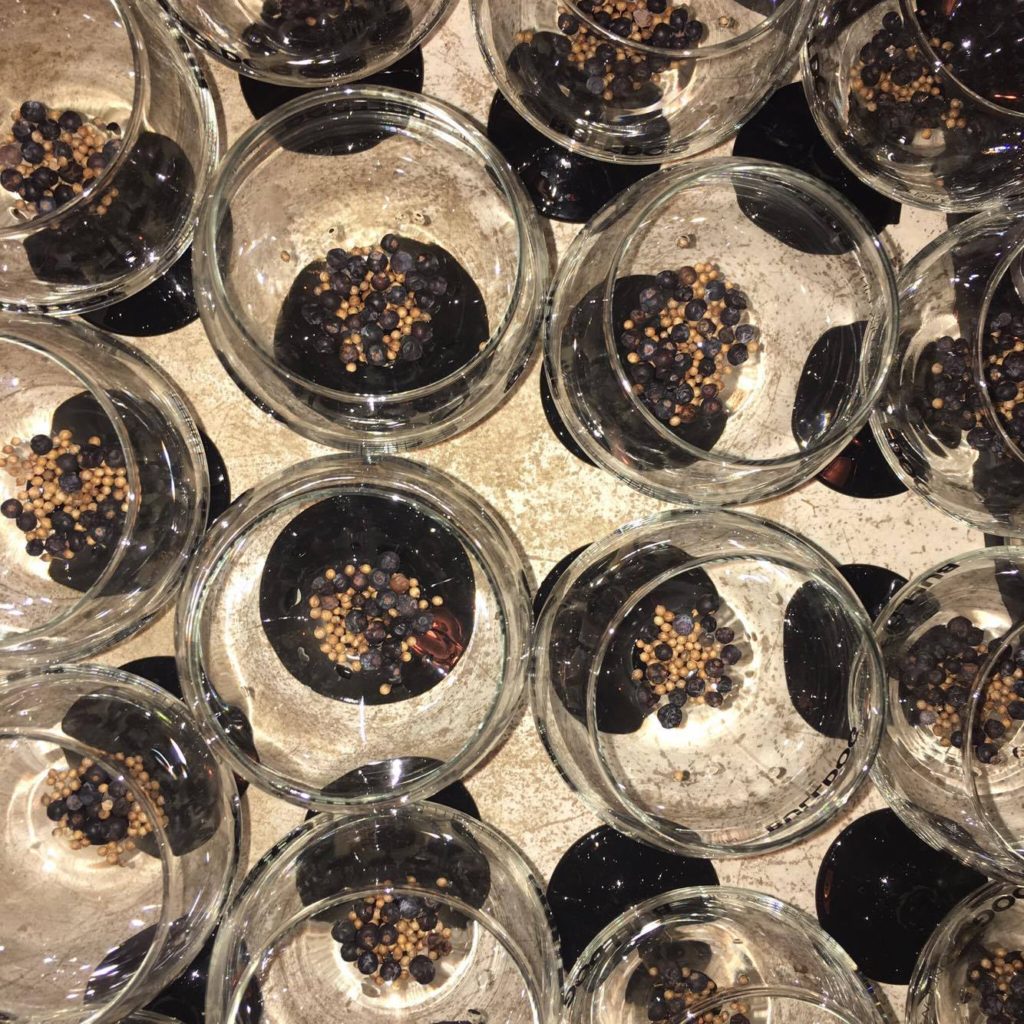
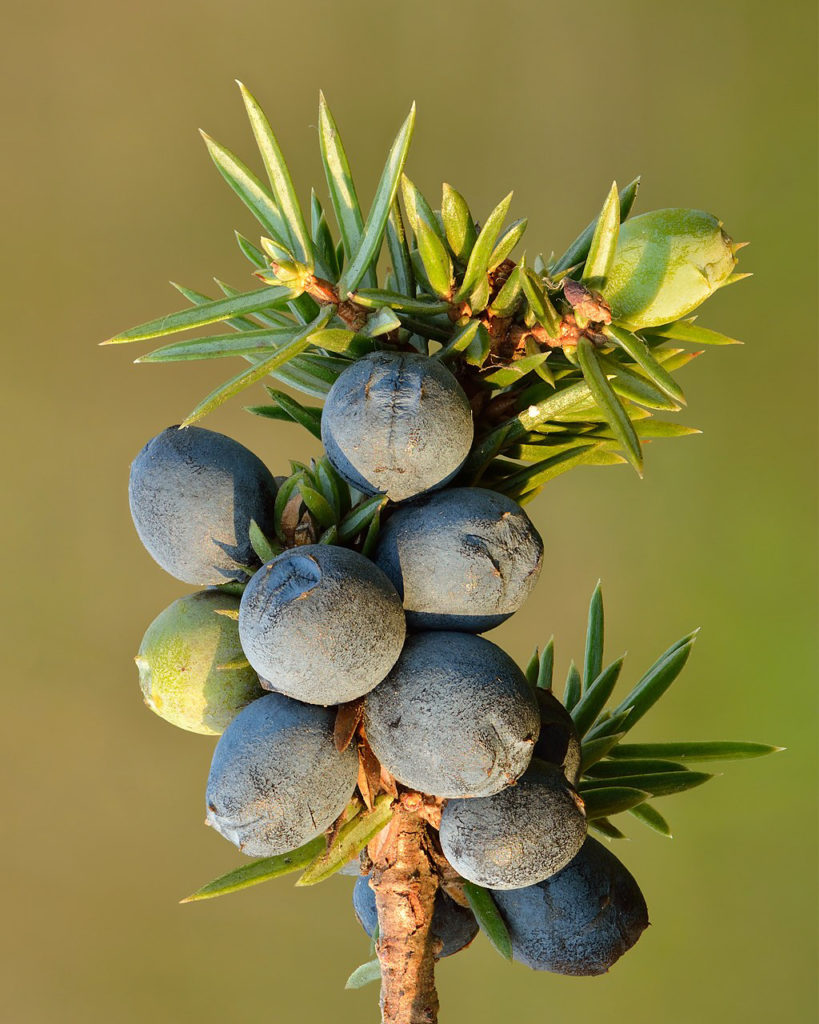
Gin behaves differently. Even before a bartender starts building a cocktail, the bottle already carries a point of view. Juniper is the anchor, but around that anchor you might find coriander, angelica, citrus peel, cardamom, orris root, fennel, rosemary, lavender, black pepper, or sea botanicals. Those choices matter. They change the entire shape of a drink.
When a guest orders two gin cocktails made with different styles of gin, they can often identify the difference without needing formal tasting training. One may finish dry and brisk, another may feel soft and perfumed, another may push lemon peel and green herbs. That kind of immediate contrast builds confidence. It helps people move beyond vague judgments like “I like this” or “I don’t like this” and into more useful observations like “I prefer gin with more citrus than florals” or “I like a drier, sharper finish.”
That is the beginning of real cocktail literacy.
A good Gin Bar reduces the intimidation factor
People sometimes assume that a specialized bar would be more intimidating than a general cocktail spot. In reality, the opposite is often true, provided the bar is run well. A serious Gin Bar usually attracts staff who care about explaining rather than performing. They know the category can sound technical, so the strongest teams learn how to guide guests with clear language instead of jargon.
That guidance matters. If someone says they usually drink a margarita, an experienced bartender at a gin-focused venue can steer them toward a gimlet variation with fresh citrus and a saline edge. If they like a Manhattan, they might be nudged toward a Martinez, where sweetness, spice, and botanical depth create a bridge into gin territory. If they normally order a spritz, the bartender can use highballs, Collins serves, or lighter aperitif-style drinks as a soft landing.
What makes this setting useful is the narrower vocabulary. Instead of trying to explain every base spirit and every cocktail family under the sun, the conversation becomes more focused. Do you like floral notes or not? Are you drawn to bitter finishes? Do you want something dry, refreshing, savory, or plush? Because gin responds so clearly to those inputs, the recommendations tend to feel accurate.
I have seen guests who thought they “didn’t like gin” change their minds within ten minutes once someone identified what they actually disliked. Very often it was not gin as a whole. It was one aggressively juniper-forward London Dry they had years ago, served in a tonic with a bitter quinine profile they never enjoyed. Put that same person in front of a softer contemporary gin with grapefruit peel, basil, and a little saline brightness, and the category opens up.
The spirit itself is unusually expressive in cocktails
Not every spirit shows itself equally well once it is mixed. Gin is one of the most articulate spirits behind the bar. It can support vermouth, citrus, amaro, fortified wine, tonic, soda, cucumber, basil, elderflower, tea, olives, and even savory ingredients without disappearing. That flexibility is a gift for discovery.
A guest can drink across several styles in a single evening and still feel like they are learning from a coherent category. Start with a gin and tonic built around a crisp, classic London Dry. Move to a French 75 where acidity and bubbles lift the botanicals. Shift into a martini that reveals texture and salinity. Finish with a Negroni variation, where bitterness and citrus peel frame the gin rather than bury it. Those are very different experiences, but the thread remains legible.
Compare that with spirits that often demand more acclimation before their nuances become obvious. Mezcal can be revelatory, but smoke can dominate first impressions. Rum is fascinating, but the category is sprawling and inconsistent in labeling. Whiskey offers immense depth, yet oak, proof, and grain character can overwhelm newer drinkers. Gin gives you complexity with cleaner lines.
That does not make it simple in a reductive sense. It makes it teachable.
Tonic alone can become a masterclass
A dedicated gin venue also highlights a truth many casual drinkers miss: the mixer changes everything. The gin and tonic sounds basic until you watch a good bar treat it as a precision serve. Change the tonic, the garnish, the ice format, the ratio, or the glass, and the whole drink shifts.
This is where cocktail discovery becomes tangible in a way that menus alone cannot deliver. A guest may try the same gin with two different tonics and realize one emphasizes bitterness while the other pulls out orange peel or soft spice. A grapefruit twist might sharpen the finish. A rosemary sprig might add aroma but flatten the gin’s more delicate floral notes. A heavy-handed garnish can turn a crisp drink into a muddled one.
When people see those small variables at work, they become better drinkers in the most useful sense. They learn that preference is not random. It can be traced to balance, dilution, carbonation, temperature, and aroma. That insight follows them into every other cocktail category.
I remember a service where two guests ordered identical gin and tonics, except one asked for cucumber because she had seen it on another table. The drink changed enough that her husband, who rarely comments beyond “good” Gin Bar or “not for me,” took a sip and immediately noticed the difference. It was a tiny moment, but it captured why gin bars are so effective as discovery spaces. The category rewards attention.
The martini alone can keep a curious drinker occupied for years
If you want proof that a Gin Bar is ideal for cocktail exploration, look at the martini. No drink better demonstrates how small adjustments create major sensory differences. Spirit choice, vermouth ratio, stirring time, temperature, garnish, proof, and even glass size all shape the final result.
That level of variation would be exhausting if the drink were not so structurally elegant. Instead, it becomes addictive in the best way. One guest may discover they love a 50:50 martini with bright, wine-like freshness and a lemon twist. Another may prefer something colder, drier, and more austere with an olive. Someone else may find their sweet spot in a martini with a softer, more contemporary gin and a touch of saline solution to sharpen the finish.
A well-run Gin Bar treats the martini not as a status symbol but as a language lesson. The bartender can explain why a particular vermouth supports a citrus-driven gin, or why a freezer-cold serve changes texture, or why one olive is enough and three are too many. Those details are not fussy for the sake of it. They teach cause and effect.
Few drinks repay attention like a martini. Fewer still are presented with that level of care in ordinary bars. In a gin-centered setting, that care is part of the culture.
Discovery works better when the menu has internal logic
One underrated advantage of a Gin Bar is menu design. In a generalist venue, cocktail lists sometimes chase novelty at the expense of clarity. You get theatrical names, obscure modifiers, and combinations built more to impress than to persuade. That can be fun, but it is not always a good educational experience for guests.
A focused gin program usually has stronger internal logic. Drinks often sit in recognizable families. You can spot the highball, the sour, the stirred aperitif, the bitter orange-led build, the martini variation. Because the base category is consistent, guests can compare more intelligently across the menu.
That structure helps people discover patterns in their own taste. If they enjoy multiple drinks built around citrus and herbal lift, that tells them something. If every bitter, Campari-adjacent option lands well, that tells them something else. Discovery becomes cumulative rather than random.
The best menus quietly support this process by writing descriptions that are brief but specific. “Lemon peel, green pepper, dry finish” is useful. “A refreshing journey through layered botanicals” is not. Serious gin venues tend to understand the difference.
Bartenders can diagnose preferences faster with gin
From the service side, gin is one of the easiest categories to use when reading a guest and refining recommendations. That is partly because the spectrum of styles is broad enough to offer options, but not so broad that it becomes meaningless.
When a guest says they want something “not too sweet,” that could still mean several things. With gin, a bartender can narrow it efficiently. Do they want bracing and citrus-led? Herbal and savory? Light and sparkling? Bitter with a clean backbone? Floral but still dry? Each choice can be delivered with relative precision.
That precision makes discovery feel personal rather than generic. Guests feel understood, which encourages them to take another small risk. One successful recommendation leads to another. By the end of the night, they are often trying styles they would have skipped on their own.
The practical value of that should not be understated. Most people do not want a lecture. They want a drink they will enjoy, plus enough context to make the next decision easier. Gin bars are well suited to exactly that level of engagement.
There is room for both classics and experimentation
Some cocktail settings force a choice between tradition and novelty. A classic hotel bar may execute standards beautifully but offer little sense of play. A highly creative bar may push technique and unusual ingredients so hard that guests lose their footing. Gin occupies a middle ground that is especially productive.
The classics are strong. The Martini, Negroni, Gimlet, Tom Collins, Aviation, Southside, French 75, and Martinez all provide distinct routes into the category. At the same time, gin welcomes experimentation because its botanical profile interacts so well with fruits, teas, spices, and herbs.
That means a Gin Bar can satisfy both the curious beginner and the seasoned regular. One person can order a benchmark gin martini to calibrate the bar. Another can try a seasonal drink with gooseberry, shiso, and dry vermouth. Both are participating in the same broader conversation about balance and botanical expression.
For discovery, that mix is ideal. Guests can test a classic to establish a reference point, then move into more inventive territory without losing context.
Food pairing is often better than people expect
Cocktail discovery does not happen in isolation. Food changes how people perceive acidity, bitterness, sweetness, and aroma. Gin bars often perform well here because gin tends to pair cleanly with a wide range of dishes, especially lighter savory food.
Shellfish, cured fish, olives, fried snacks, soft cheeses, herb-heavy plates, and citrus-driven dishes all play nicely with gin. Even simple bar food can improve the tasting experience if it is chosen with care. A crisp martini with oysters or salty chips teaches a guest something about texture and salinity. A bitter gin aperitif with fried calamari or white anchovies can make bitterness click for someone who previously found it harsh.
This matters because not every cocktail category shines equally well around food. Sugar-heavy drinks can fatigue the palate. Big oak and smoke can dominate the table. Gin often keeps the line cleaner, especially before dinner or with shared plates.
At one London venue I visited years ago, the most persuasive item on the menu was not a signature cocktail at all. It was a pairing note beside a very cold martini and a plate of pickled vegetables, nuts, and anchovies. The recommendation sounded almost too simple. It worked brilliantly. The food sharpened the drink, and the drink made the food taste more vivid. That kind of experience teaches more than a descriptive menu ever can.
Price and risk feel more manageable
Cocktail discovery is easier when guests do not feel they are gambling with every order. A specialized gin venue often lowers that perceived risk. Even if the price point is not cheap, the guest usually senses that the bar has a clear competency. They trust that the drink will be balanced, and that if it misses the mark, the staff can redirect them intelligently.
Gin also tends to offer discovery at different price levels. You can learn plenty through well-made classics without immediately stepping into the most expensive pours or rarest bottlings. That accessibility matters. Exploration should not require a collector’s budget.
Some bars go a step further by offering mini serves, martini flights, or side-by-side tonic comparisons. When done thoughtfully, those formats are genuinely useful. They give people direct sensory comparisons instead of abstract descriptions. The key is restraint. A flight of three can teach. A flight of seven often blurs into noise.
Not every gin bar gets it right
A fair point needs to be made here. A Gin Bar is perfect for cocktail discovery only when it understands hospitality as well as it understands product. A bar can stock a hundred gins and still fail the guest if the menu is confusing, the staff is preachy, or the serves prioritize novelty over balance.
There are a few warning signs worth noticing when you are deciding whether a place will actually help you explore:
- The menu focuses on bottle count more than drinking experience.
- Staff describe every gin in technical language but cannot translate taste into plain terms.
- Garnishes are so aggressive that they overpower the spirit.
- Tonic options are numerous, but no one explains how they differ.
- Classics are treated as boring rather than foundational.
When those issues show up, discovery becomes harder, not easier. Guests need interpretation, not inventory.
How to use a gin-focused visit to expand your palate
If your goal is genuine cocktail discovery, a bit of strategy helps. You do not need to study beforehand, but it pays to order in a way that creates contrast. Start with something simple enough to taste the base clearly, then move toward more structured drinks.
A practical sequence might look like this:
- Begin with a gin and tonic or gin highball to understand the house style.
- Follow with a citrus-led drink such as a gimlet or Collins-style serve.
- Try a stirred classic, often a martini or Martinez, to focus on texture and botanicals.
- Finish with a bitter or aperitif-style drink, such as a Negroni variation.
- Ask the bartender what changed most from one drink to the next.
That last step is where much of the value lives. Good bartenders can articulate the shift in one or two useful sentences, and those sentences often become the shorthand you use later when ordering elsewhere.
The category rewards repeat visits
Some drinking experiences are memorable once and then largely solved. Gin is not like that. The category develops with repeat exposure because the variables are meaningful but manageable. You can return to the same Gin Bar and try a different house martini, a seasonal Collins, or a new tonic pairing and still feel like you are adding another piece to the picture.
That repeatability is one reason so many professionals use gin as a benchmark spirit. It reveals bar standards quickly. It also reveals your own preferences with unusual clarity. Over time, you start noticing details you once missed, how one vermouth widens the mid-palate, how one garnish sharpens the nose, how one gin carries spice through dilution better than another.
Discovery, at that point, stops being about novelty for its own sake. It becomes a process of refinement. You are not just Gin Bar chasing a new drink. You are learning why certain combinations work, and why some styles keep drawing you back.
A great Gin Bar makes that process pleasurable instead of academic. It gives you enough variety to stay curious, enough structure to stay oriented, and enough expert guidance to turn a single good order into a deeper understanding of cocktails as a whole. That is why the setting works so well. It does not overwhelm the drinker with infinite choice. It teaches through contrast, balance, and repetition, which is how most people actually discover what they love.
The Winslow
243 E 14th St
New York, NY 10003, United States
Phone: +1 212-777-7717
FAQ About Gin Bar
How to do a gin tasting?
Start with a small pour and gently smell the gin before taking a small sip. Notice its juniper, citrus, floral or spice notes, then compare how the flavor changes with a little water or tonic. At a gin bar, ask the bartender to explain the selection and botanical pairings.
How to make the best tasting gin and tonic?
Use chilled gin, fresh tonic and plenty of ice. A common starting ratio is one part gin to two parts tonic, adjusted to taste. Choose a garnish that complements the gin's botanicals and stir gently to preserve the bubbles.
What is the smoothest tasting gin?
There is no single smoothest gin for everyone. Perceived smoothness depends on the botanical recipe, alcohol strength, serving temperature and mixer. Describe whether you prefer citrus, floral, herbal or juniper-forward flavors so a bartender can suggest a suitable style.